Key takeaways
- 1
- Launch with one hoodie or tee plus one cap. Caps start at 50 pieces with us, everything else at 100 per style.
- 2
- Our private label hoodies run $15–20 per piece and tees $8–12, before shipping, which leaves room for a real margin at normal merch prices.
- 3
- Bulk takes about 8–10 weeks from idea to stock, so announce the drop date only once the sample is approved.
The best selling merch for creators is rarely clever. It's a good hoodie, a heavyweight tee and a cap, with a design the audience recognises on sight. Socks and beanies come later, as add-ons. We make all of these, and the creator orders we see that sell through quickly share a pattern: one or two products, one strong idea, a sensible size split and a launch date that waited for the sample. Below is what we'd tell a creator before their first run, from product choice to pricing to the day you announce it.
We won't quote industry sales figures here. Nobody publishes reliable ones for creator merch, and the numbers you see in listicles usually trace back to nothing. What follows is how production works and what we'd do.
Which products are the best selling merch for creators?
Think about what your audience will actually wear in public. That narrows things fast.
| Product | Why it works for creators | Our minimum | Our price range |
|---|---|---|---|
| Hoodie | Highest perceived value, worn for years, big print area | 100 per style | $15–20 private label |
| T-shirt | Lowest price point, easiest first purchase | 100 per style | $8–12 private label |
| Cap | One size, so no size-curve risk; low minimum | 50 per style | $12–16 private label |
| Socks | Cheap add-on, good for bundles | 200 pairs | $8–14 per pair |
Prices assume a one-colour chest print, a woven neck label and an individual poly bag for tees and hoodies, and a cotton twill 6-panel cap with one flat front embroidery and a printed inside label for caps. Full ranges are on our pricing and MOQ page.
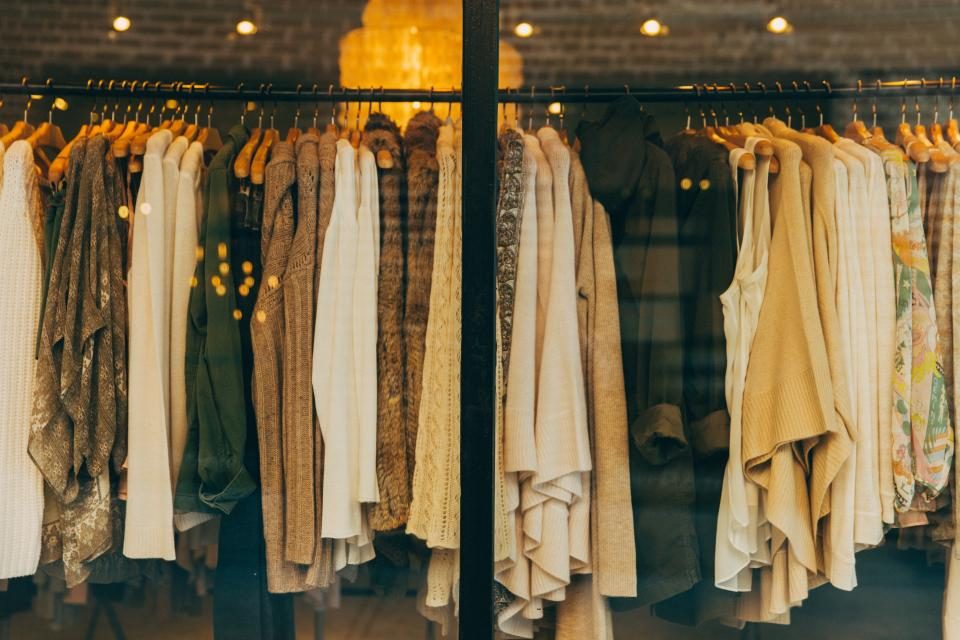
If you only make one thing, make the hoodie. It's the item people buy to show they've been watching for a while, and it holds a higher price without complaint. Our recommended weight is 400 GSM; our hoodie fabric guide explains why lighter fleece feels cheap at merch prices.
The cap is the underrated second product. It's one size and adjustable, so you don't have to guess how many mediums to make, and caps start at 50 pieces rather than 100. That makes a hoodie plus a cap a very low-risk first drop.
Tees are the entry ticket. Go heavyweight (240 GSM or so). A thin tee with a big print is the item that gets the most "shrunk after one wash" comments, and those comments land under your videos, not ours.
What designs sell for creators?
The designs that move are the ones that work as a signal. Someone who watches you sees it on a stranger and recognises it. Someone who doesn't just sees a decent piece of clothing.
In practice that means:
- Inside references over logos. A catchphrase, a running joke, a symbol from the channel. A channel logo alone is fine on a cap, weaker on a hoodie.
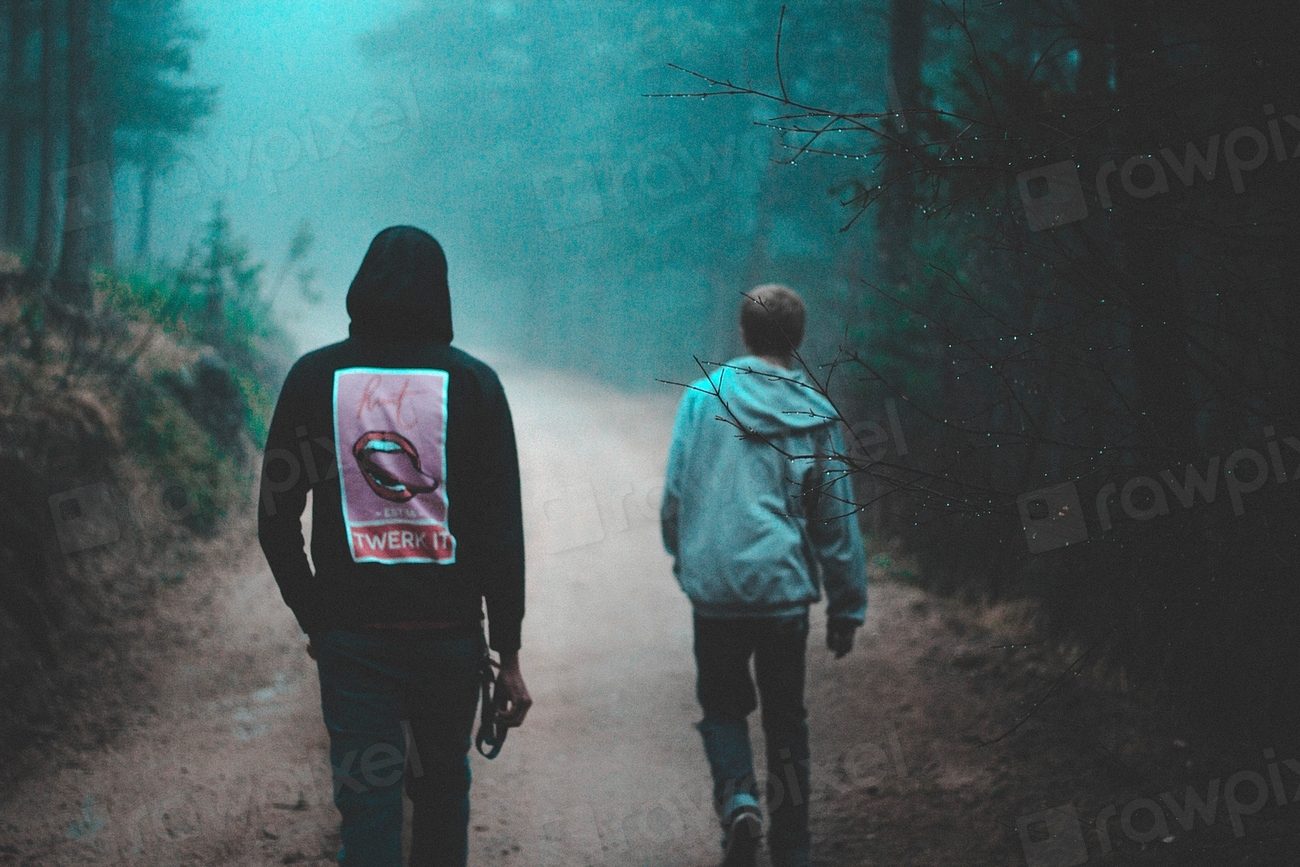
- Small front, bigger back. A small chest hit with a larger back print reads as streetwear. A giant face print reads as a souvenir.
- Fewer colours. One or two ink colours print cleaner and cost less. Our screen print vs DTG vs DTF guide covers which method suits which artwork.
- Embroidery on caps. Flat or 3D puff embroidery is standard on caps and looks right. Print on a cap rarely does.
The decoration methods we run are DTG, DTF, screen print, puff print, high-density print, embroidery, 3D puff embroidery, chenille patches, sublimation and heat transfer. For a first creator drop we'd usually suggest a one or two colour screen print on the hoodie or tee and flat embroidery on the cap.
One mistake we see often: putting your face on the merch. Some audiences love it. Most won't wear it outside the house. Test it before you order 100.
Print on demand vs bulk for creators
Print on demand (POD) prints each order when it's placed. Bulk means you order a run, hold the stock and ship it yourself or through a fulfilment partner. Both are sensible. They suit different stages.
Use POD when you don't know what will sell, your audience is small or spread thin, or you want ten designs live at once with no money tied up in stock. The trade-offs are a smaller margin per piece, a limited choice of blanks and decoration, and less control over quality.
Move to bulk when one design has proven itself and you want a better product and a better margin. Bulk lets you choose the fabric weight, the fit, the neck label and the packaging. You also take on stock risk and need somewhere to store and ship from. We don't offer fulfilment at the moment, so plan on your own space or a third-party warehouse.
A pattern that works: run three or four designs on POD for a month, see which one sells, then make that one properly in bulk. Our print on demand vs private label vs cut and sew guide goes through the three models in more detail.
Pricing and margins on creator merch
Price from the landed cost, not from what you think fans will pay. Landed cost is the unit price plus shipping, duties and any extras like labels and bags.
Here's a worked example using our own numbers for 100 hoodies with a one-colour print, woven labels and poly bags, flown by express air:
| Line | Cost |
|---|---|
| 100 hoodies at $17 | $1,700 |
| Print setup | $150 |
| Woven labels | $40 |
| Poly bags | $15 |
| Sample | $0 (the $40 fee is credited) |
| Shipping | $420 |
| Total | $2,325 |
| Per piece, before duties | $23.25 |
Now take off what the sale itself costs you: your store platform's fees, payment processing, packaging to the customer and postage if you offer free shipping, plus a few pieces lost to returns and wrong sizes. Set the retail price so what's left still feels worth the effort. Duties depend on your country and the terms you buy on. Who pays them? You do on FOB orders; on DDP we include them in the quote.
Two honest points on margin. First, the run is small, so the per-piece number matters less than the total cash you have tied up. Second, don't price so low that you sell out in an hour and make nothing. A fast sell-out at a thin margin feels great for a day and leaves no money for the reorder.
How many pieces should a creator order?
Order the minimum on your first run. With us that's 100 pieces per style for hoodies and tees, 50 for caps and 200 pairs for socks.
Two rules shape the order:
- Does each colour need its own minimum? Yes, each colour needs its own minimum. A black hoodie and a cream hoodie are two minimums, so start with one colour.
- Can sizes be mixed? Yes, sizes can be split any way within a style. You can weight the order towards the sizes your audience actually buys.
If you ran POD first, use those sales to set the size split. If you didn't, a poll in your community helps, but treat it as a rough guide. People answer polls more generously than they buy. Our mixed sizes and colours guide shows how to split 100 pieces.
How to launch merch to your audience
Production comes first, then the announcement. That order matters more than anything else in this post.
- Get a sample. Our private label sample fee is $40, it takes 15–20 working days, and Credited in full against a bulk order of the same style. Wear it, wash it, film it.
- Approve, then book bulk. Bulk takes 20–25 working days, plus shipping. From idea to stock is usually 8–10 weeks.
- Shoot content with the sample. You'll have real photos and try-on clips before stock lands.
- Announce a date once stock ships. Not before. A delayed drop costs more goodwill than a later announcement.
- Open a waitlist. It tells you roughly how many people intend to buy, and gives you an email list that isn't controlled by a platform.
- Drop in a short window. A limited window gives people a reason to buy now, and keeps you from sitting on stock for months.
If you're planning several drops a year, our guide to planning a limited drop covers sequencing.
Labels and the boring legal bits
Merch sold in the US is clothing like any other, and the FTC's guide to textile labelling says that if you sell or distribute covered products you must comply with fibre content, country of origin and identity labelling. Hats are excluded from those textile rules; hoodies and tees are not. Other markets have their own rules, so check the ones you sell into. Our woven vs printed labels guide covers the label options.
If you have a design and a rough idea of quantity, send it to us through get a quote. We'll come back with a price per piece, a sample plan and a realistic date you can announce to your audience.