Key takeaways
- 1
- Lock artwork about 12 weeks before the first show for air freight, about 16 weeks for sea. Our typical idea-to-stock time is 8–10 weeks.
- 2
- Bulk takes 20–25 working days with us, so any mid-tour reorder needs placing at least six weeks before the stock runs out.
- 3
- Ship to one warehouse or base, not to venues. Merch for sale cannot travel on an ATA Carnet, according to US Customs and Border Protection.
The usual tour merch manufacturer lead time is longer than bands expect. With us, it's 8–10 weeks from approved artwork to stock in your hands, and that assumes the sample is right first time. The date that matters is the first show. Everything else gets planned backwards from it: freight, packing, bulk, sample, artwork. Below is the schedule we'd build, how to size quantities per show, what to do about size curves, where to ship, and how to reorder while you're on the road.
How long does a tour merch manufacturer take?
Here's each stage with our own times. Our working days run Monday to Saturday, 9am to 6pm.
| Stage | Our time |
|---|---|
| Tech pack, if you need one | 5 working days days |
| Sample | 15–20 working days |
| Sample shipping to you | 4–6 days |
| Your approval | as fast as you reply |
| Bulk production | 20–25 working days |
| QC and packing | 3–5 days |
| Freight | express air (5–7 days) or sea freight (25–35 days) |
Add those up and you get our typical 8–10 weeks. Full-package orders take longer: the sample takes 20–25 working days and bulk 25–30 working days.
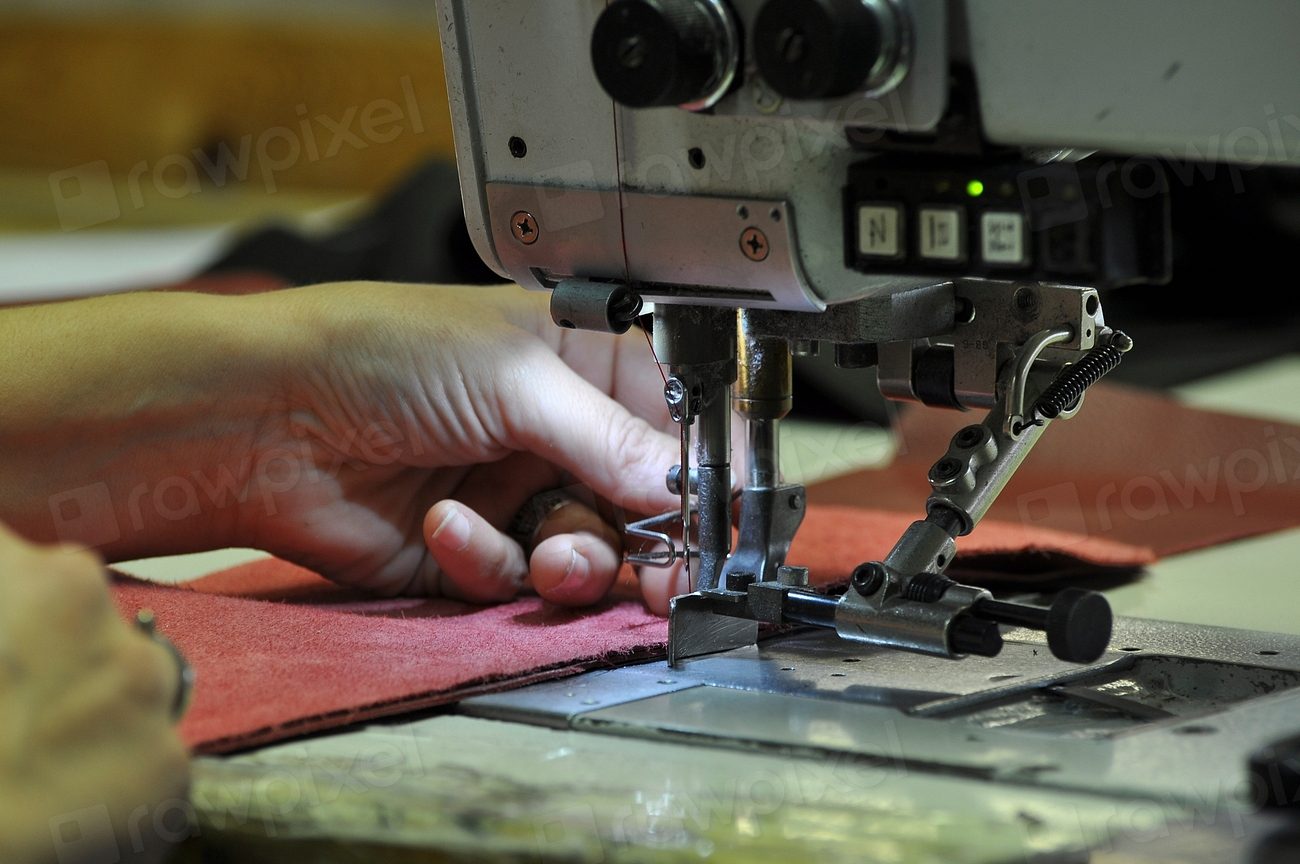
The step that slips is almost never sewing. It's approval. The sample arrives while the band is in rehearsals, nobody tries it on for a week, and the week comes straight out of the buffer.
A few things we'd do to protect the schedule:
- Send print-ready artwork. Vector files or high-resolution PNGs at print size. If we have to rebuild a file, that's a day or two lost, and our artwork prep fee is $25 per design.
- Approve the digital proof quickly. Do we send a proof before printing? Yes, free, and it usually comes back within 1–2 days. Reply the same day.
- Name one person who signs off. Not the whole band. One person, with a phone, who can say yes.
- Decide the size split before bulk starts. Changing it after cutting means remaking pieces.
None of this is complicated. It's the difference between stock arriving a week early and stock arriving the morning of the first show.
Working back from the first show date
Pick the date stock must be in your hands, not the show date. Give yourself at least a week between the two to count, tag and pack for the road.
Then count back. This is the schedule we'd use for a tour where the stock flies by express air:
| Weeks before first show | What happens |
|---|---|
| 12 | Artwork final, quote approved, deposit paid |
| 11 | Sample in production |
| 8 | Sample with you; approve within days |
| 7 | Bulk starts |
| 3 | Bulk done, QC and packing |
| 2 | Express air in transit |
| 1 | Stock counted and packed for the road |
| 0 | First show |
If the stock goes by sea, add about four to five weeks of freight and lock artwork around 16 weeks out. Sea is cheaper per kilo (express air about $5–7 per kg to the US and Canada, $4.50–6.50 per kg to the UK and EU; sea freight from about $1.50 per kg on 300 kg or more), so it suits a big first order where you've got time. Express air suits smaller runs and anything late.
For drops that repeat through the year, our guide to planning a drop calendar shows the same backwards plan across several releases.
How much merch per show?
We won't give you a ratio of shirts per head of audience. We haven't found a published figure we'd trust, and it varies too much by genre, ticket price and how loyal the crowd is.
What we'd do instead:
- Start from your own history. If you have sales from past shows or your web store, use the units per show from those.
- Group shows by size. A 300 capacity room and a festival slot sell differently. Plan per group, not one average.
- Split the order in two. Take most of it on the road. Hold the rest at a warehouse or your base as a reserve, so a strong week in one city doesn't empty the van.
- Keep the range short. A tee, a hoodie and a cap move faster at a merch table than eight designs. Each extra design splits your stock. Does each colour need its own minimum? Yes, each colour needs its own minimum, so a tee in two colours is two minimums.
Our minimum is 100 pieces per style for tees and hoodies, 50 for caps and 200 pairs for socks. For a short run of club shows, that minimum may be the whole tour.
Size curves for tour merch
A merch table can't offer to order your size in. If a size runs out in week two, that sale is gone.
Sizes can be split any way within a style, so set the split from data, not from a standard curve. Your web store's size sales are the best source. Failing that, start with a curve weighted to the middle sizes and add a little more at the top end than you'd guess.
Two practical points:
- Caps and beanies are one size, so they carry no size risk. That's a good reason to have one on the table. Our beanies are one size, in a stretch rib knit that fits most adults.
- If you're making an oversized fit, check the measurements on the sample. Our oversized fit and grading guide explains why an oversized M can fit like a standard L.
Expect small differences between the quantity ordered and delivered. Our quantity tolerance is ±3% per order, so plan to the lower end.
Shipping: to the venues or to a warehouse?
Ship to one place. A warehouse, a fulfilment partner or the band's base. Move stock from there to the tour.
Shipping cartons directly to venues looks efficient on paper. In practice venues take in a lot of deliveries on show day, the person who signed for yours may have gone home, and a lost carton the night before a show can't be replaced. One address also means one customs entry and one set of duties.
On terms, it's DDP or FOB, your choice. Who pays duties? You do on FOB orders; on DDP we include them in the quote. Our shipping, duties and Incoterms guide covers what each means.
Crossing borders mid-tour needs its own planning. Touring bands often use an ATA Carnet for instruments and equipment, but US Customs and Border Protection is clear that merchandise intended for sale cannot be entered on a carnet and needs a regular customs entry. If you're touring several countries, it's often simpler to ship a separate batch into each market than to carry stock across borders.
Photo: Matt Bango, CC0
Reordering mid-tour
Reorders take the same production time as the first run: 20–25 working days, plus freight. The reorder minimum is 100 pieces per style. That means you have to decide early, from the first week or two of sales.
A simple trigger: when the stock you have left (on the road plus the reserve) covers about six weeks of shows, place the reorder. Change the size split based on what's actually selling.
Our fastest turnaround is 10 working days days. We'd treat that as a rescue, not a plan.
What to make where
Make the core of your table with us: tees, hoodies, caps, socks, the pieces where fabric weight and fit matter and the per-piece price drops with volume. Our custom t-shirts and custom hoodies pages list the fabrics and options.
For a late addition, a limited city print or anything needed in under two weeks, use a local printer near the tour. They can't match a planned run on unit cost, but they can turn a box of blanks around in days.
If you have a first show date, send it with your designs through get a quote. We'll give you a price and work out the latest date artwork can be locked.