Key takeaways
- 1
- We quote DDP or FOB, your choice. On FOB you pay the duties and import taxes; on DDP we include them in the quote.
- 2
- We ship express air (5–7 days) or sea freight (25–35 days). Our 100-hoodie example ships by air for $420, about $4.20 a piece.
- 3
- Duty depends on the HS code: knitted garments like hoodies and tees sit in chapter 61, woven garments like jeans and shirts in chapter 62.
Incoterms for clothing imports are three letters on your quote that decide who pays for what between our cutting table and your stockroom. They set where our responsibility ends, who books the freight, who pays import duty and who carries the risk if a carton goes missing. We quote DDP or FOB, your choice. On FOB, duties and import taxes are yours to pay; on DDP we include them in the price. Everything else in this guide (air or sea, HS codes, duty rates) follows from that one choice.
What are incoterms, and who sets them?
Incoterms are standard trade terms published by the International Chamber of Commerce. The current version, Incoterms 2020, has eleven three-letter rules and came into force on 1 January 2020 (ICC). Each rule defines the tasks, costs and risks that sit with the seller and with the buyer.
They don't set the price, transfer ownership or replace a contract. They just stop the argument about who pays the courier's customs invoice. You'll only meet four of them as a small clothing brand.
EXW, FOB, DAP and DDP explained
| Term | Factory's job ends | You pay | Good for |
|---|---|---|---|
| EXW (Ex Works) | Goods ready at the factory door | Collection, export clearance, freight, duties, taxes | Large buyers with their own agent in the country |
| FOB (Free On Board) | Goods export-cleared and loaded on the vessel | Freight, insurance, import duties, taxes, delivery | Brands with a forwarder and customs broker |
| DAP (Delivered At Place) | Goods arrive at your address, not unloaded | Import duties, taxes and clearance | Brands happy to pay customs on arrival |
| DDP (Delivered Duty Paid) | Goods at your address with duties and import taxes paid | Unloading | First orders, founders who want one landed price |
EXW looks cheapest on paper and usually isn't. You become responsible for export paperwork in a country you've never been to. We'd avoid it unless you already have an agent in Pakistan.
FOB is the classic factory term. One detail most people miss: under Incoterms 2020, FOB is meant for sea and inland waterway shipments. For air and courier, FCA is the matching rule. In practice plenty of factories still write FOB on air orders. That's fine as long as the quote spells out where our job stops, for example "export-cleared and handed to the courier in Pakistan".
DAP gets the goods to your door, but the courier will ask you for duty and taxes before releasing them. That surprise invoice is the classic first-order complaint.
DDP puts everything on us up to your address. On DDP we include the duties in the quote, so the number you approve is the number you pay. For a first order, that's what we'd pick.
Which should you choose, FOB or DDP?
Go DDP if you don't have a customs broker, you're ordering one or two styles, and you want a landed price per piece to set your retail price from. You pay for the convenience, and you lose a little visibility into the freight cost.
Go FOB when you have a freight forwarder you trust, you ship to more than one country, or you're moving enough volume that freight is worth negotiating. FOB also makes sense if your import country gives you a duty preference you want to claim yourself with your own broker.
Either way, ask for the incoterm and the named place on the quote. "DDP" on its own doesn't tell you whether that's your warehouse, your house or a forwarder's depot. If you're comparing factories, this is one of the questions to ask a clothing manufacturer before you pay a deposit.
Air, sea or courier?
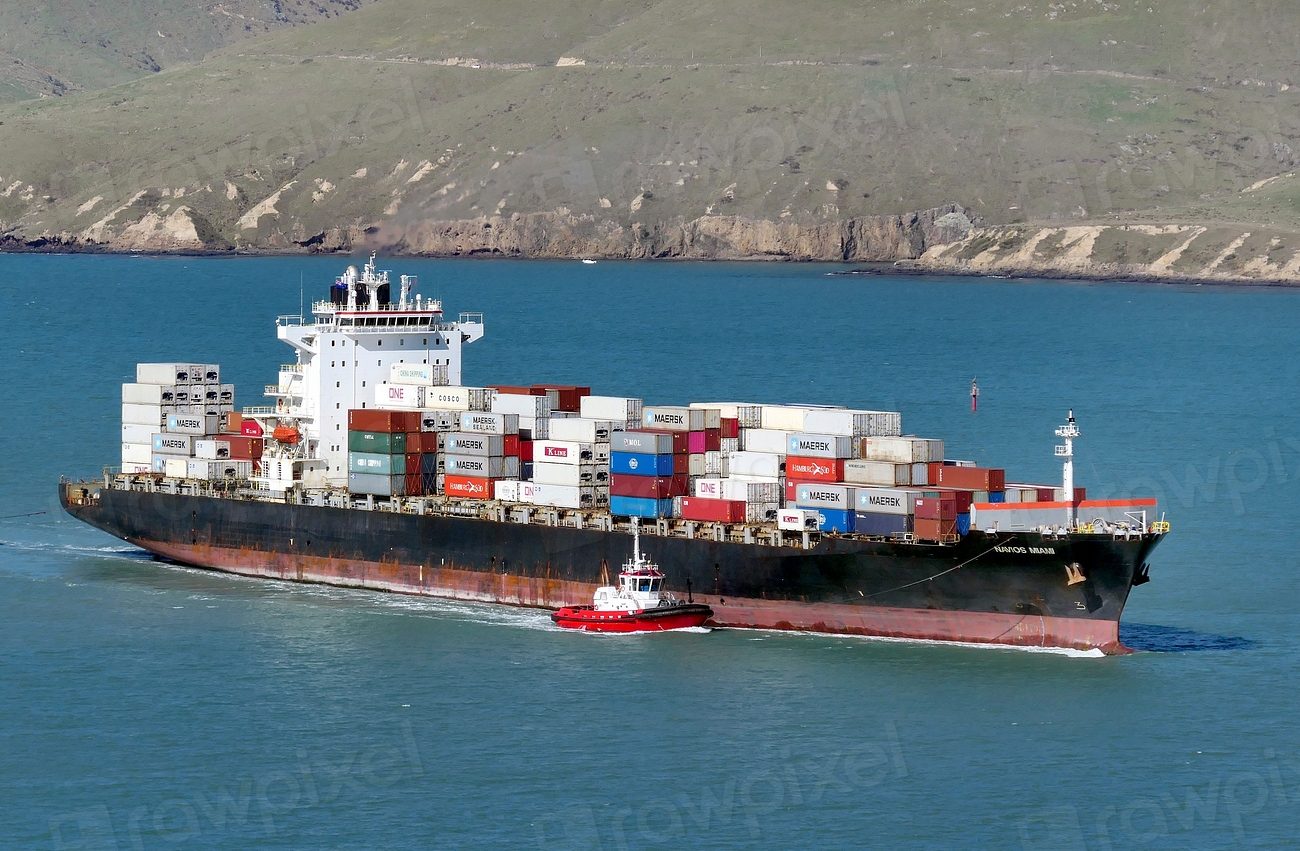
Courier express air is door to door: the courier flies the cartons, clears them and delivers. Standard air cargo goes airport to airport and needs a forwarder at your end. Sea freight goes port to port and needs a forwarder too.
We ship express air (5–7 days) or sea freight (25–35 days). Rough costs: express air about $5–7 per kg to the US and Canada, $4.50–6.50 per kg to the UK and EU; sea freight from about $1.50 per kg on 300 kg or more.
A worked example. In our hoodie price example, 100 hoodies go by express air for $420. That's about $4.20 a hoodie, inside a total of $2,325, or $23.25 per piece landed. At $5 to $7 a kilo, that's a shipment of roughly 60 to 85 kg. Sea freight wouldn't make sense at that weight. It starts to pay off at 300 kg or more, and it adds about four weeks, so it suits reorders more than launches. Our guide to planning a drop calendar shows how that changes your dates.
HS codes: the number that sets your duty
Every garment gets a Harmonized System (HS) code. The first six digits are shared internationally, then each country adds its own digits and its own duty rate. Clothing sits in two chapters:
- Chapter 61 for knitted or crocheted garments. T-shirts are usually under heading 6109, sweatshirts and hoodies under 6110.
- Chapter 62 for woven garments. Jeans, chinos, cargo pants and woven shirts live here.
Fibre content changes the full code. A cotton hoodie and a polyester hoodie can carry different rates. So the fabric line on your tech pack isn't paperwork; it decides your duty. Mixed fabrics are usually classified by the fibre that's heaviest by weight, but confirm that in your country's tariff rather than guess.
We put a description and fibre content on every commercial invoice. The HS code your broker declares is still their call and yours as the importer.
How do duties work in each market?
We won't quote duty rates here, because they depend on the exact code, the fibre and your country, and they change. These are the official places to check, and what's changed recently.
United States. Look up your code in the Harmonized Tariff Schedule run by the US International Trade Commission. The big change is de minimis. CBP suspended duty-free treatment for shipments of $800 or less from all countries on 29 August 2025, then suspended the exemption indefinitely for non-postal shipments from 24 June 2026. Congress has repealed it outright from 1 July 2027 (Federal Register notice). So even a small courier box of samples now needs a proper entry and duty payment.
United Kingdom. Use the UK Trade Tariff to find your commodity code and rate. Pakistan sits in the Enhanced Preferences tier of the UK's Developing Countries Trading Scheme, which means 0% import tariffs on 92% of product lines for eligible goods (GOV.UK). Your goods still have to meet the scheme's rules of origin, so ask your broker what proof they need before the goods ship.
European Union. Rates are in the TARIC database. If you sell direct to EU customers from outside the EU, note that the old €150 duty exemption has gone. From 1 July 2026 to 1 July 2028, consignments of €150 or less sold to consumers pay a flat €3 customs duty per item, where an item means goods sharing the same tariff classification (EU Access2Markets). Bulk stock into your own EU warehouse pays normal tariff rates.
Canada. The CBSA's guide to importing commercial goods walks through classification, value for duty, registering in its CARM system and declaring your goods. Do the CARM registration before your first shipment, not when the courier calls.
Australia. The Australian Border Force sets the rules on duty and GST for imported goods. Ask your courier or broker which applies to your shipment value before it lands.
What we'd do on a first order
Ask for DDP to your own address, by express air, with the incoterm and named place written on the quote. Check that the landed per-piece price still works against your retail price. Then, before the second order, find a customs broker in your main market and get a quote on FOB as well, so you can compare.
Two small habits save most customs headaches. Keep fibre content identical between your tech pack, your care label and the invoice. And don't undervalue a shipment to save duty; customs can hold it, and a held box costs you your launch date.
Our pricing and MOQ page shows what's included in our prices. When you're ready, send your styles, quantities and delivery country through the quote form and say whether you want FOB or DDP. We'll price both if you're not sure.