Key takeaways
- 1
- Our standard washes are stone, enzyme, acid and distressed, with a minimum of 100 pairs per style and per wash.
- 2
- Washing adds 5–7 days to a bulk run of 20–25 working days, and it changes the measurements, so the pattern is graded for shrink after the washed sample.
- 3
- Two runs of the same wash will never match exactly. Approve a wash standard on the sample and expect small piece-to-piece variation.
Here are denim washes explained in one line each. A stone wash tumbles finished jeans with pumice so the indigo rubs off. An enzyme wash does a similar job with cellulase, more gently. An acid wash uses stones soaked in bleach or potassium permanganate for that high-contrast marbled look. A rinse wash only removes starch and pre-shrinks the fabric, so the colour stays dark. Distressing (whiskers, honeycombs, rips) is mostly hand work done before or between washes.
Every one of these happens after sewing, at a laundry, as its own batch. That one fact explains most of what surprises founders about denim: minimums, lead time, shrink, and why the second run never quite matches the first.
What does a denim wash actually do?
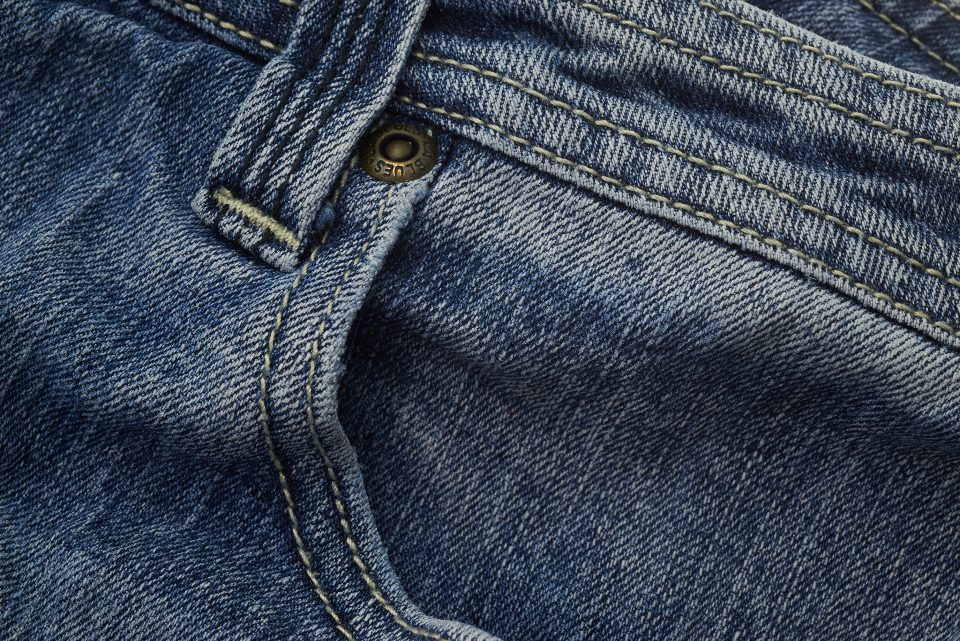
Denim is a cotton twill where the warp yarns are dyed with indigo and the weft is usually left white. Indigo sits on the outside of the yarn and doesn't fully penetrate the core. So anything that wears away the surface of the fibre also takes colour with it, and shows the white core underneath. That's the whole trick behind fading.
A wash does three things at once:
- Changes the colour. From near-black indigo down to pale bleach blue, depending on how much surface is worn away.
- Changes the hand. Rigid denim is stiff with starch (sizing) from the mill. Washing removes it and softens the fabric.
- Changes the size. Cotton shrinks the first time it's wet and tumbled. A wash front-loads that shrinkage so your customer doesn't get it at home.
The third one is the one founders forget, and it's the one that causes returns.
Denim washes explained: the main types
Here is what each wash does, and what it means for your production.
| Wash | How it's done | Look | Effect on fabric | Run-to-run consistency |
|---|---|---|---|---|
| Rinse | Water and softener, short cycle | Dark, clean, even | Minimal, removes starch, pre-shrinks | Good |
| Enzyme | Cellulase enzymes in a warm bath | Soft fade, smooth | Gentle, slight strength loss | Fairly good |
| Stone | Pumice stones in an industrial drum | Mid to light, uneven fade | Abrasive, wears seams and hardware | Moderate |
| Stone plus enzyme | Fewer stones, enzymes do part of the work | Vintage mid blue | Less damage than stones alone | Moderate |
| Acid | Pumice soaked in bleach or potassium permanganate | Marbled, high contrast | Harsh, weakens fibres | Low, every piece differs |
| Bleach | Chlorine or similar, timed then neutralised | Very light, flat blue | Can weaken cotton if overdone | Moderate |
A few notes from the laundry side.
Stone wash is the classic. Pumice acts like sandpaper inside the drum. It gives a lived-in look you can't fake with chemicals alone, but it's rough on the garment: too many stones and you get damaged waistbands, chipped buttons and thinned seams. The stone washing article on Wikipedia covers why the industry moved part of the work to enzymes.
Enzyme wash (sometimes called bio-stoning) uses cellulase, an enzyme that loosens the indigo by eating away a little of the cotton surface. It's more controllable than stones and kinder to seams and hardware. Most commercial "stone wash" jeans today are actually a mix of fewer stones plus enzymes.
Acid wash isn't really acid. It's pumice soaked in an oxidiser, then tumbled with the jeans so the stones hit some areas and miss others. That randomness is the look. It's also why no two pairs match, and you should tell your customers that on the product page.
Rinse is the safest option for a first drop. It keeps the deep indigo colour, removes stiffness and does most of the shrinking for you. If your fit is the selling point, a rinse lets it show without a wash competing for attention.
Our standard wash menu is stone, enzyme, acid and distressed. Rinse and bleach finishes are common in the industry, but they aren't on that list, so ask us before you design a collection around them. Our washes run at a partner laundry, named on request; we do not claim water savings we cannot measure.
How is denim distressed?
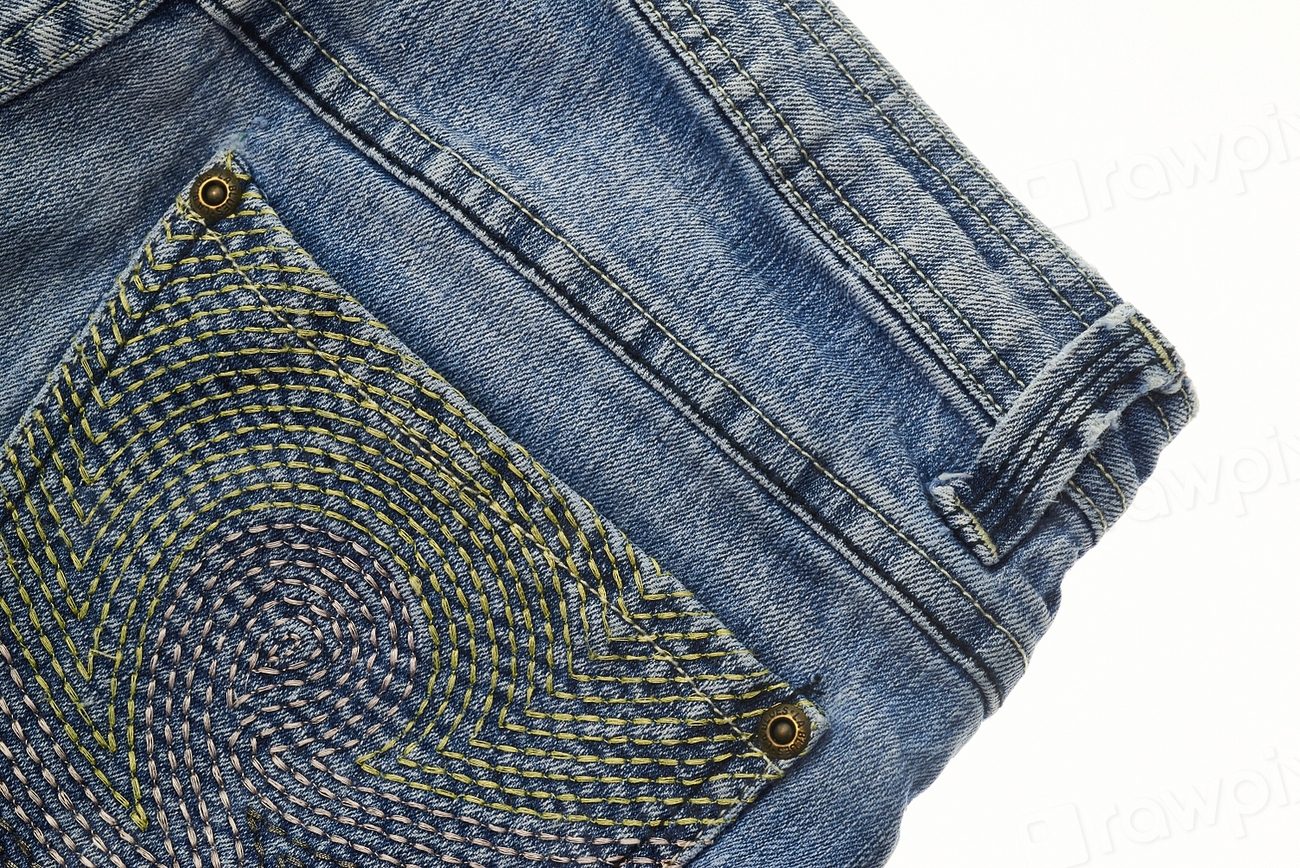
Distressing is different from washing. A wash changes the whole garment. Distressing places wear in specific spots, the way a real pair would age.
- Whiskers. Faded lines fanning out from the crotch at the front, where the fabric creases when you sit. Done by hand sanding or abrasion along a template, then fixed in the wash.
- Honeycombs. The same idea behind the knee, where the fabric folds when you bend.
- Grinding and fraying. Hem edges, pocket edges and belt loops are ground with a small tool so the white weft shows and frays slightly.
- Rips and repairs. Cuts at the knee or thigh, opened up in the wash so the weft threads stay and the warp breaks. Heavier rips can be backed with fabric on the inside so they don't spread.
- Hand sanding. Lightens high points like thighs and the seat before the wash.
Most of this is manual. That means cost per pair goes up with every effect you add, and each operator's hand is slightly different.
One method to avoid entirely: sandblasting. It has been linked to silicosis, an incurable lung disease, among workers who do it, and the Clean Clothes Campaign has campaigned for years to end it. If a supplier offers it, that tells you something about how they treat their people. Ask for hand sanding and enzyme work instead.
Why does each wash need its own production run?
Because each wash is a separate load at the laundry with its own recipe. Time in the drum, temperature, stone volume, enzyme dose and chemicals all change. Ten pairs of acid wash can't ride along in a rinse load.
That's why our denim minimum is 100 pairs per style and per wash. One fit in two washes is two runs, and needs 100 of each. Sizes can still be split any way you like inside a run. If you're working out how to spread a small budget across colours, our guide to mixing sizes and colours inside an MOQ covers the same logic for other products.
Our honest advice for a first denim drop: one fit, one wash. Pick the wash that suits the fit and your price point, sell through, then come back for a second wash on the same pattern. The pattern work is already done, so the second run is quicker to set up.
How do washes affect shrinkage and fit?
Rigid denim can shrink a lot the first time it's washed, mostly in length. Stretch denim (with a few percent elastane) behaves differently again and can twist or lose recovery if the wash is too hot. So the fit you approve has to be the washed fit, never the unwashed one.
The way we handle it:
- Cut and sew the sample from the pattern.
- Wash it with the exact recipe planned for bulk.
- Measure the washed sample against your spec.
- Adjust the pattern so the washed garment lands on your measurements, then cut bulk.
Here's a simple illustration of the maths. Say your spec calls for a 32 inch inseam and the washed sample comes back 4% shorter in length. You'd cut bulk at roughly 33.3 inches so it washes down to 32. Waist and hips move less, but they move. Our measurement tolerance is ±1–1.5 cm on the finished piece, and that tolerance applies to the washed garment.
This is also why you shouldn't approve a fit sample and then change the wash. A heavier stone wash than the one on the sample can shrink the jeans a little more and thin the fabric. Changing the wash after approval means a new sample. Our after-sample-approval guide covers what else you shouldn't touch at that stage.
Why do two runs of the same wash look different?
Even with the same recipe, the fabric changes between rolls and dye lots. Indigo depth varies a little from one mill batch to the next. Stones wear down. Water temperature moves. Two runs a few months apart will be close, not identical.
What you can do about it:
- Keep a wash standard. The approved sample, or a cut swatch from it, becomes the reference for every future run. Keep one yourself.
- Accept a range. Agree that bulk should sit between a slightly lighter and slightly darker reference, which is normal practice.
- Write it into your product copy. Especially for acid and heavily distressed styles. "Each pair is unique" is true, and customers like it.
What drives the cost of a denim wash?
Our denim prices run $22–40 per pair. That range assumes 12 oz rigid denim, one standard wash, stock hardware, a woven label and a poly bag. Where you land inside it depends on:
- Fabric. We work in 10–15 oz denim. Heavier and rigid costs more than light stretch. Selvedge is available on request.
- Wash complexity. A rinse is a short cycle. Stone, acid and bleach washes take longer, use more consumables and lose more pieces to damage.
- Distressing. Every hand step (whiskers, honeycombs, rips, grinding) adds labour per pair.
- Hardware and trims. Custom rivets and buttons have their own minimum of 500 pieces per design, separate from the jeans. Stock hardware avoids it.
Timing matters as much as cost. A denim sample takes 15–20 working days and bulk takes 20–25 working days. Washing adds 5–7 days on top. If you're planning around a launch date, build that in from the start.
What about garment dye?
Garment dyeing colours the whole sewn piece in one bath, which gives soft, slightly uneven colour. Our answer on garment dye is Yes, on cotton twill and canvas. That suits carpenter pants and workwear, not indigo denim. If you want a faded black or a coloured jean, ask about the fabric colour options on your quote instead.
How to brief a wash so you get what you want
Words like "vintage" and "mid blue" mean different things to everyone. Give the laundry something it can see:
- A photo of the front and back of a reference pair, in daylight.
- A physical reference pair if you have one. It's worth more than ten photos.
- Where you want wear: whiskers yes or no, honeycombs yes or no, rips and where.
- How dark, using a simple scale: rinse, dark, mid, light, bleach.
Put it in your tech pack on its own page, next to the measurement chart. Then see the denim jeans page for fits and hardware, or send your reference photos through get a quote. We'll tell you which wash on our list gets closest, and the price for 100 pairs.